If you haven’t yet read part one of this series I recommend starting here , it provides a bit of the background of how moving abroad came to be. I am going to go about this a little differently now, thanks to so many of you and your great inquisitions. Rather than an all out exhaustive part two- I will now break it up in to a few part series where I can detail a bit more in each write up. I hope you enjoy following along!
Welcome Down Under, Mates.
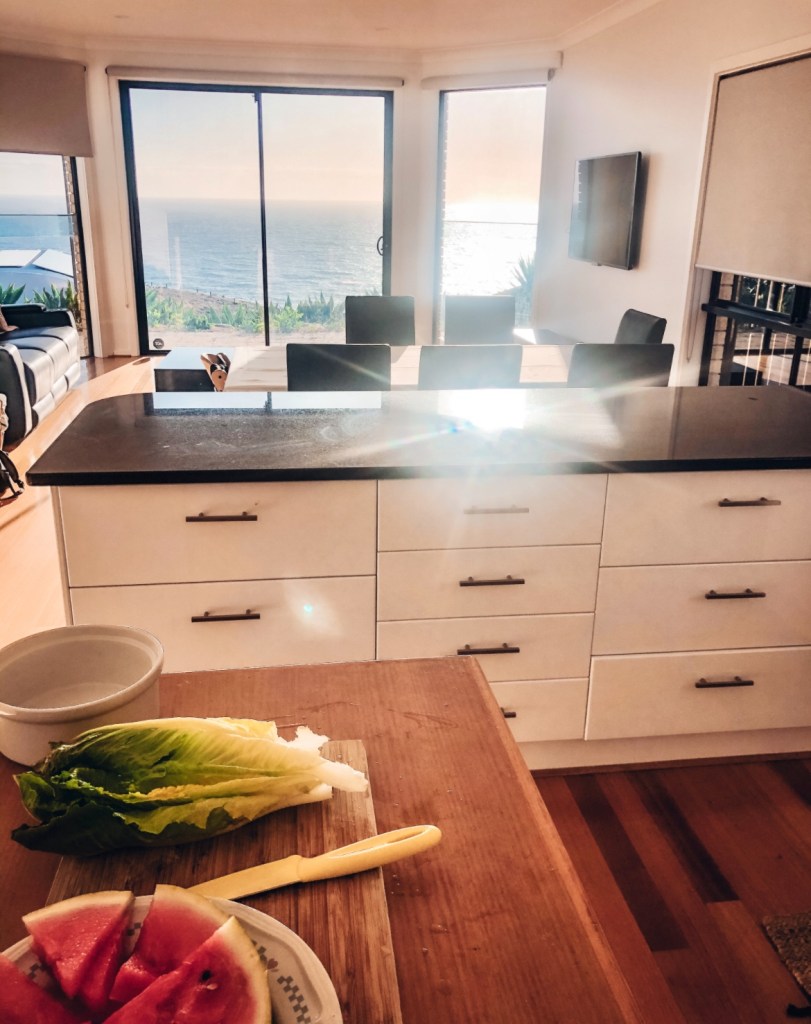
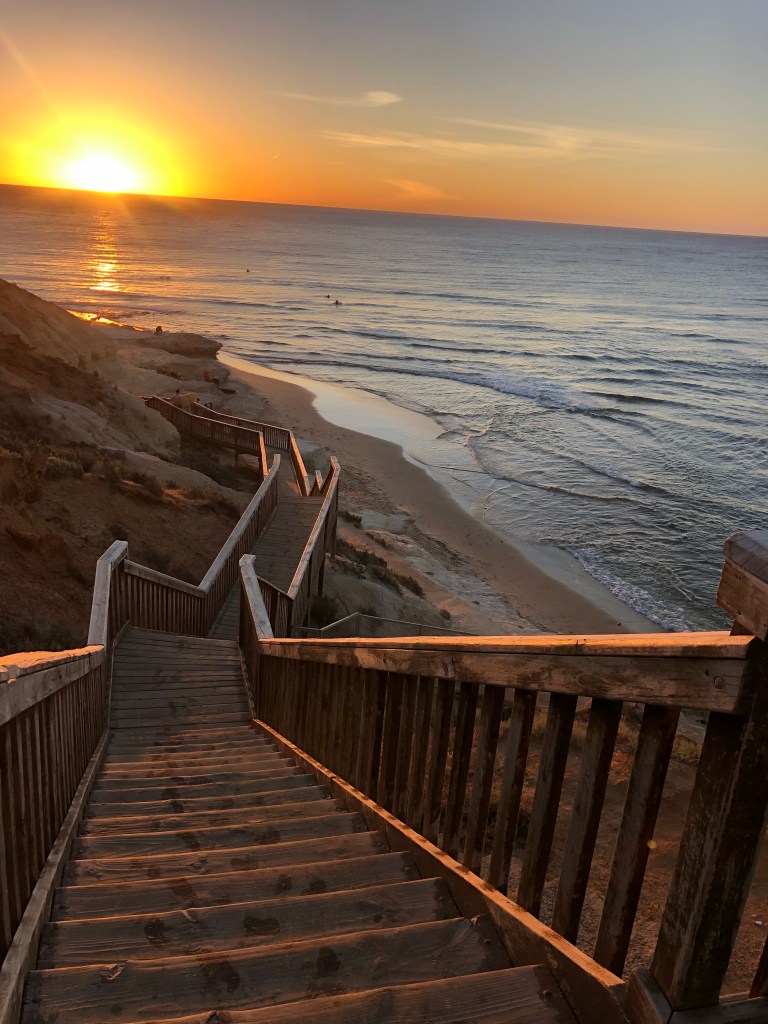
After a whirlwind year of newborn life, covid cancels, moving cross country, settling in with mom and roughly a million new life adjustments, against all odds we made it to Oz– the famous land down under (cue Men at Work.) We have a picturesque home that we were utterly spoiled with, I mean the view was out of this world (and something we will probably never experience again, lets be honest.) We’re in a little cliff side beach town outside of Adelaide, South Australia. If you’re unfamiliar with the geography of Oz we are just north west of Victoria {Melbourne} and south west of New South Wales {Sydney.} Colin is getting used to the inter-workings his job, adjusting to a new commute of minimal freeways, and endless backroads to a middle of nowhere air-force base. The girls are off and away in their sweet little gingham uniforms at Seacliff Primary School. Baby boy and I are left to a quiet house, sipping coffee enjoying the warm November spring air. I can finally take a deep breath, taking in the craziness that just unfolded. I just moved to another continent….. now what?
Learning curves.
Language: There is always assimilation that occurs when traveling to a new country, especially in terms of language and dialect. Lucky for us, Australians speak English. This made the transition far less intimidating. However… its not English-English, or even American-English. I like to think they have created their own version of language- mixed with slang and ‘Aussie only’ lingo. You can’t just do rosetta stone or download babble to learn the language. You have to work for it. Make friends, submerge yourself with the people to learn the language and various accents. You may also require a massive bulletin board of words and slangs with the meanings attached …. that works too. True story, (see below.) I may or may not have referred to this several times throughout the year.
Most commonly used:
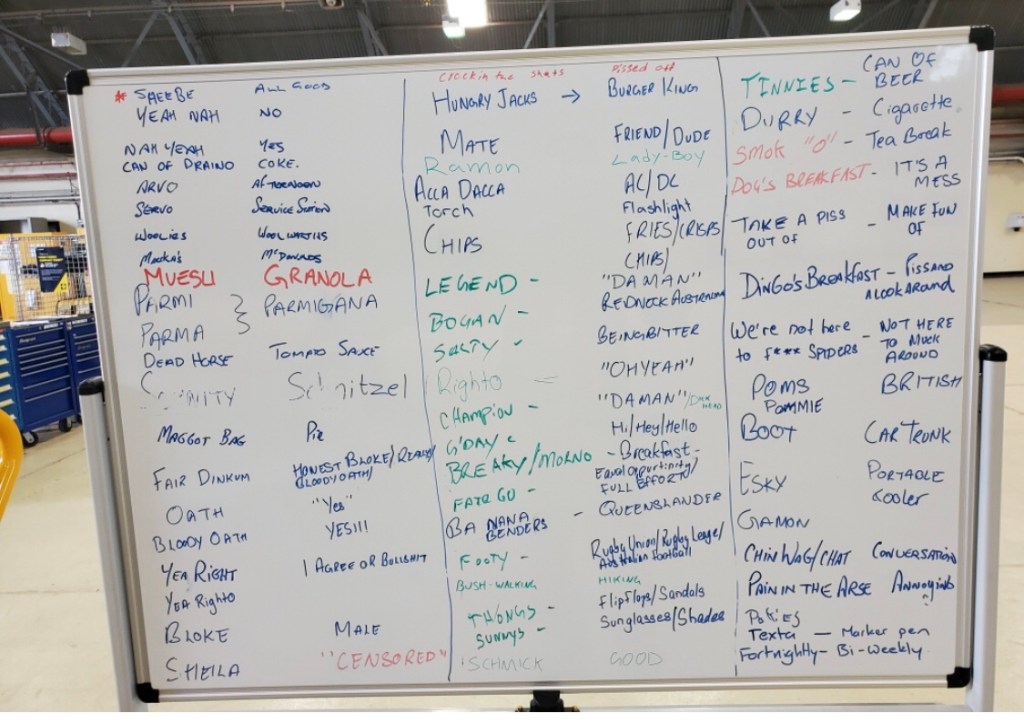
- Bush walking- Hiking
- TA- Thanks/ You’re welcome
- Legend- A hero
- Fair Dinkum- Speaking truth
- Sweet as/ Fresh as/ Easy as- (sweet/ fresh / easy with an as’ on the end 😉)
- Tinnie- Beer in a can
- Stubby- Beer in a bottle
- Rego- License plate/ registration
- Schnitty- Schnitzel
- Torch- Flashlight
- Maccas- McDonalds
- Hungry Jacks- Burger King
- Yeah nah- No
- Nah yah- Yeah
- Yute- SUV
- Chips- Fries
- Crisps- Chips
- Esky- Cooler
- Arvo- Afternoon
- Texta- Marker/ pen
Even after a year, I was still asking them to repeat words, need clarifications or inevitably make a goof of myself thinking they said something different. Its all apart of the experience, just laugh at yourself and be willing to keep learning and make an arse of yourself.
Even so, not being completely ‘fluent’ I can hang and Aussie slang with the best of em’.
Driving: Its all fun and games until you’re on the opposite side of the car, driving on the opposite side of the road. Turning left or right? You better believe your wipers will be going berserk instead of your intended blinker. Its a hot mess for a bit, but equal parts hilarity. Truth, I don’t love driving (in the comforts of my homeland, even), Colin handles this most of the time when we travel and get around as a family. However, if i’m going to be living in a new country, I need to figure out how to get myself around and acclimated. Not to mention get the kids to and from school at the very least. It took me nearly 3 whole months to feel at ease driving and navigating, I drove daily (in my small 20 km radius, of course) but I was a total noob. Fortunately Aussies drive painfully slow and are extremely road-law abiding. As long as I maneuver like I was taking my drivers test, I could blend in nicely. 10 and 2, mirror check, speed check. Check right at roundabouts, look left, look right, look right again… back to basics. In all likelihood I’m a better driver— it forces you to focus on the road entirely with no distractions… okay, that may sound bad. It is true however, when you’re completely comfortable driving, you change the music, check your phone (in slow traffic of course 😉.) You allow your children scream and yell, you pass them snacks- a bit distracted lets say. When you’re a “new” driver again. Kids, shhhhhhh, I never looked at my phone, mapped and called through bluetooth only. I hardly changed the music (desperately as I wanted to. Music is literally 15 years behind, Katy Perry anyone? ) I drove the exact speed limit, perhaps even under at times (speed cameras everywhere.) I was the safest driver I have ever been. Legit.
While on the topic of driving in Australia, here is a few things I learned. Freeways are a luxury and not always the faster route. Stop signs are not customary, yields are more frequent. Back roads and neighborhood driving are the most common thoroughfares, even in to the city (Waze is your best friend.) I was also surprised how “un-westernized” the roads are. I always assumed it being such a massive robust continent the roads would be wide and empty. They are not. They are miniature, with no sidewalks or shoulders in most places. The parking lots are also miniscule. For as many 4WD vehicles they drive, the ‘car parks’ are so insanely tight, I never could understand this. It’s very easy to hit guardrails, parking lot pillars, and parked cars in/on the roadsides (don’t get me started on this topic.) Colin and I were one of the few Boeing crew members that didn’t side swipe our car or rip off a side mirror (they shall remain nameless.)
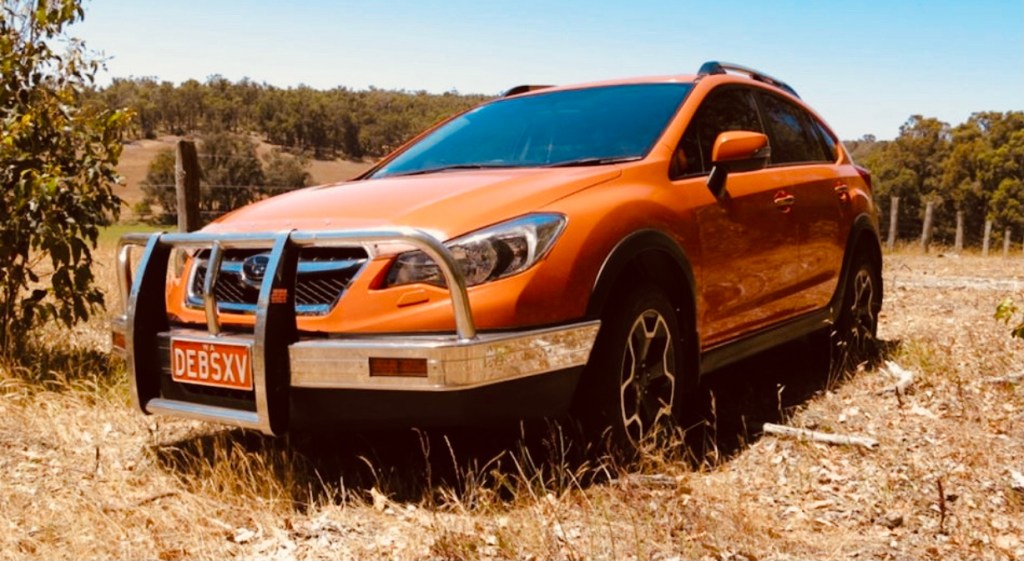
As mentioned, speed cameras are everywhere- you will actually get ticketed for going 3 km over. Make sure your rego is up to date, we unintentionally learned the hard way by sneaky cameras. They have unmarked vans videoing on the freeways and average speed zones {in the middle of nowhere outback/ countrysides.} Essentially, understand surveillance is everywhere, drive like you have no where to be and always leave a buffer of time. Driving at night, especially in the hills or rural areas can be very dangerous. Watch for nocturnal critters and pouncing roos. Hitting one, yikes– its going to leave a mark. There is a reason most cars have reinforced “roo guards” on the front, and I don’t just mean on the Yutes, even small sedans will have them. You would be astounded how many dead Kangaroos were littered on roadsides.
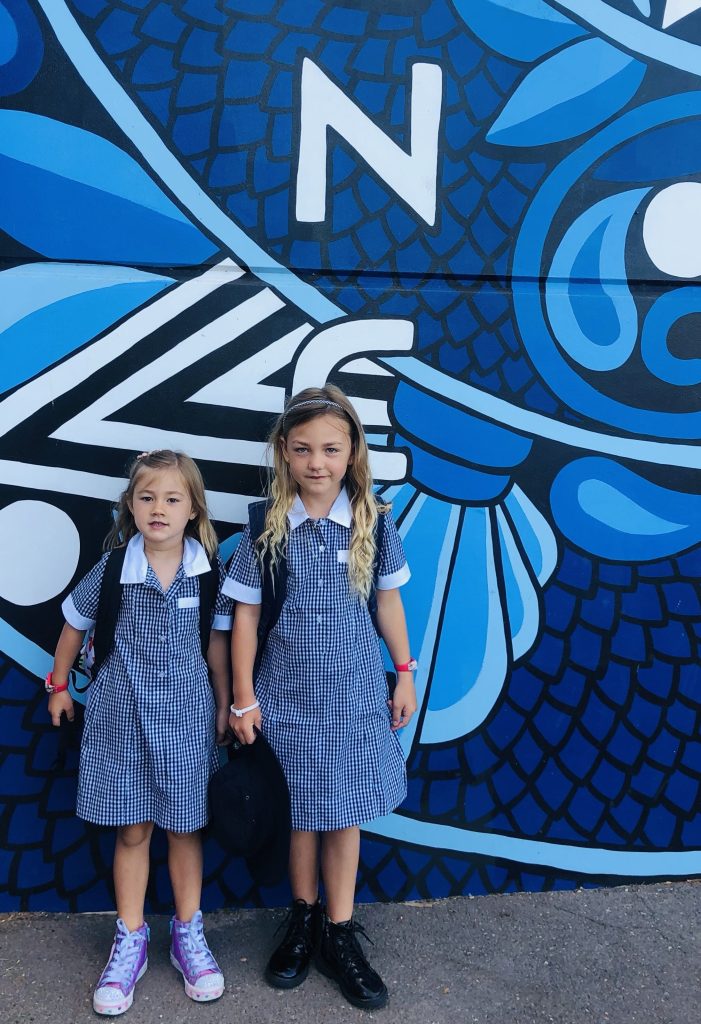
Hats are also required when outside
(pictured in their hands)
“no hat, no play”
Shopping: This was something else that took some getting used to. Not bad, just different. In the United States we have the luxury of having everything at our fingertips. Access, access, access. When you’re on an island in a new country, it is not the case. Commodities are completely different. Its much harder to get cars, electronics, home goods, and certain foods, not to mention the price differences. It is VERY expensive to live in Australia, 1$ AU to .73 USD. Rather than online shopping (mostly because its not available) they are more keen on shopping around, making an outing of it. The grocers are sets up more like a mini mall. Inside you would find a few different grocery stores (Wholworths and Coles), a butcher, a seafood counter, a bakery, a chemist (pharmacy) and a liquor store (alcohol is not sold in stores.) In a sense, it is a one stop shop, just takes a bit more time and planning– knowing what your looking for and where to find it is key. Ask me about finding an area rug or Colin finding a broom. Seemingly easy finds…. not the case when you are new to the country. With time we began to figure it all out. Like i’ve stated, you cannot compare to what you know, you just have to adapt to what is.
School: I think this is what I will miss the most about Australia. We loved the school. It was safe, like the safe I felt when I was a child. Before school shootings and scary stuff that happens in the states. Parents can still mingle before and after school on the school grounds. This allowed me to meet teachers and other parents, I knew all the children in my girls classrooms after only a few weeks. I know it sounds silly, but this doesn’t happen here in the states anymore. You can’t just meet other parents at school, which makes “play dates” very difficult. The school was set up more like a Montessori school, very hands on. Each student grows individually with the help they need for their own needs, not a one size fits all mentality. It was less classroom time, more student interaction and overall created a FUN learning environment. They have performing arts (which you have to say like an Aussie of course, performing aaats), dance, language (Japanese instead of Spanish) and student involved assemblies weekly. They don’t push homework under 3rd grade, yay– overall constructing an enriching and inviting environment. The children made sooo many friends. Perhaps being the American girls with cute accents helped, either way, bravo to the Australian public schools for being everything we needed to feel welcome.
Coffee: Some may say coffee is not essential nor deemed worthy of “adjustment” in new countries, but for this Seattlite’, coffee is life. Australian’s also have a fondness for coffee (and tea of course)– in fact they claim they have the best of both, lets be honest doesn’t every country say that though? Typical “barista made coffee” latte, espresso, matcha is really good and cafes are EVERYWHERE, no shortage. If you’re near any sort of town you’ll always be able to find a few local cafés, its absolutely part of their culture, very European if you will.
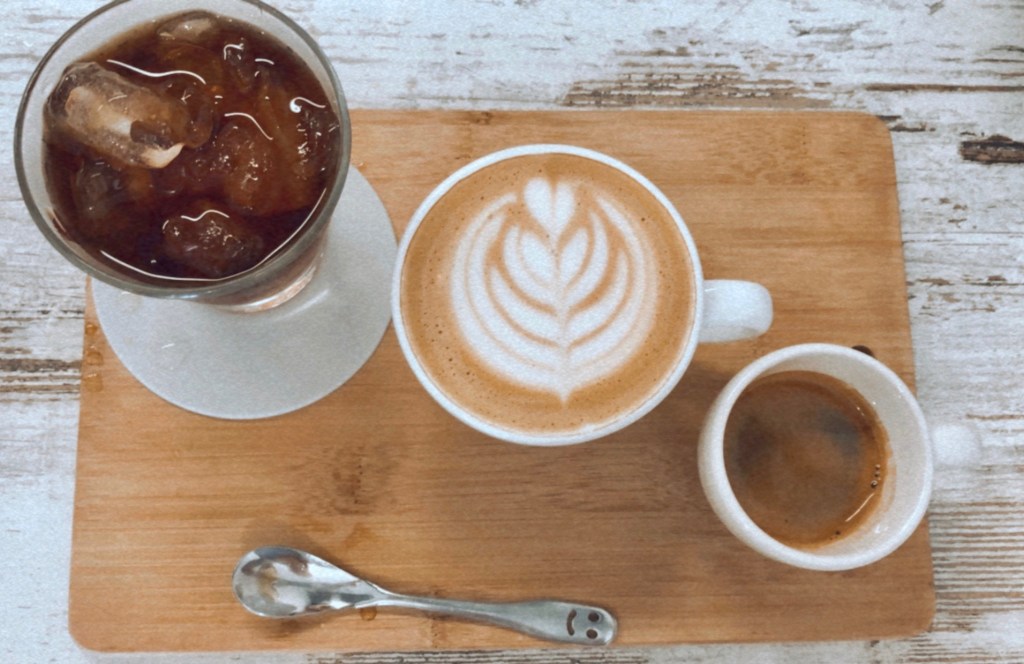
But….home brewed coffee? yeah nah, that took some serious getting used to. For starters, they don’t have drip coffee (or cream for that matter)!? Its just not a commodity. No Keurig, no Mr. coffee, no basic medium roast black coffee at the local cafes. Brewed coffee is either you have an espresso machine, instant coffee or sachets of “fancier flavored” instant coffee (just add water.) *Picture International Swiss style coffees from the nineties. Okay, its a little different, but not too far off from that sugar loaded instant coffee.
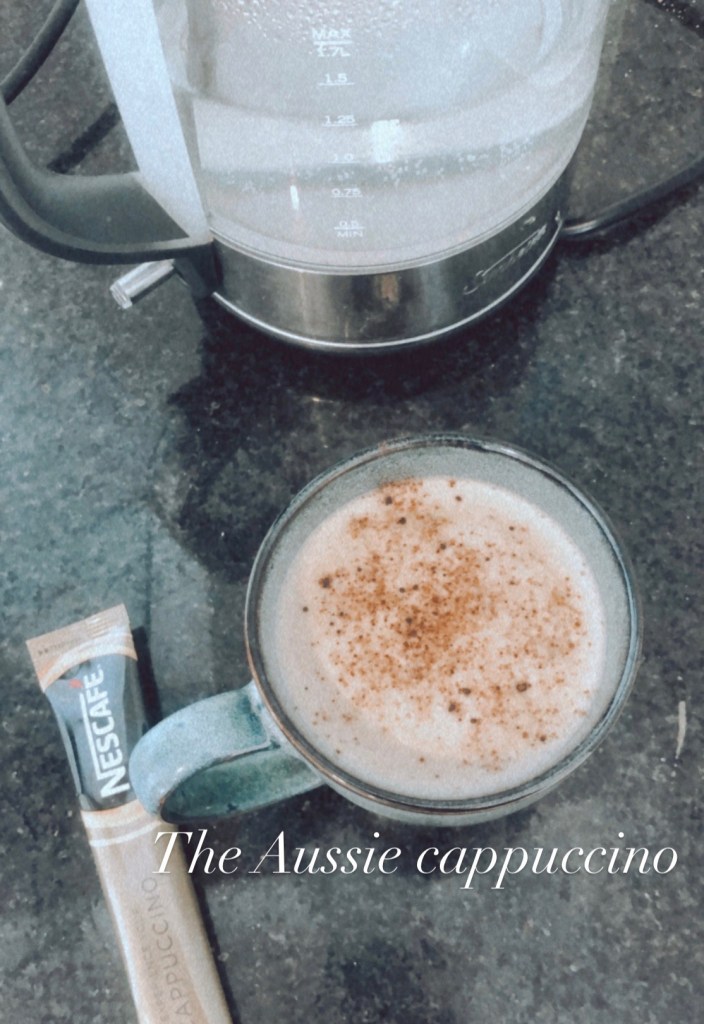
Cold brew is even hard to find there, can you fathom? Also, Starbucks…. (in South Australia that it) DOES. NOT. EXSIST. I literally didn’t have Starbucks for an entire year {poor me, I know}. Flavored lattes you ask? Also nearly impossible to find. Not a total deal breaker, but a classic vanilla oat latte is scrumptious and I just couldn’t find it. Pumpkin spice when its cold…. (in July) nope. Mochas (not that I drink…. but still, nope). Lastly, there is no drive thru coffee. Normally this wouldn’t be that big of an issue, but I have 3 children! and remember home coffee is meh. So when you’re on the road or in a hurry you literally can’t find a coffee on the go. Again, lean in and just go with it. Be prepared to spend your money on lattes or whatever your choice coffee is at your local cafés, make it an experience rather than a just a cup o’ joe and chalk it up to being one with the oz 😉.
Southern Hemisphere adjustments: Seasons, Holidays and Birthdays were very unique living in the southern hemisphere. For instance, my July ‘SUMMER’ birthday fell in the southern hem WINTER, that was a first. To my surprise, South Australia did get pretty cold in the Winter, averaging around 55 degrees Fahrenheit (brrr, Floridian over here.) Being a summer baby, I wasn’t a huge fan, (for the long haul that is) I much prefer to spend my birthday celebrating in the sunshine, outdoors sipping rosé. I’ll oblige for a year in Australia though, twist my arm.
Holidays: When we set off on our international assignment from Seattle it was mid October, just as it was beginning to cool down for the fall, the leaves had changed from green to ember–I do love the Season change in the PNW, but after a few weeks I’ve had my fix and i’m ready for sunshine again. So we were pretty lucky to barely exit summer only to creep right back in to a springtime warmth in the southern hemisphere (we’ve become rather good at dodging winters.) We arrived in Sydney (quarantine) just in time for Halloween. Rather than a cold wet PNW October we had delightful sunshine that poured in, covering every inch of our teeny apartment flat. This allowed us the luxury of spending as much time as we could on our back rooftop patio, which helped with the claustrophobia of two weeks in a box.
For a bit of cheerfulness during lockdown, we packed along costumes and spooky trinkets for each of the children. We let the them snack on goodies just as they would Halloween night– Hocus Pocus, delivery dinner and sugar loaded kids (with literally no where to go) it was a holiday that will go down in the Hughes history books and one we surely will never forget.
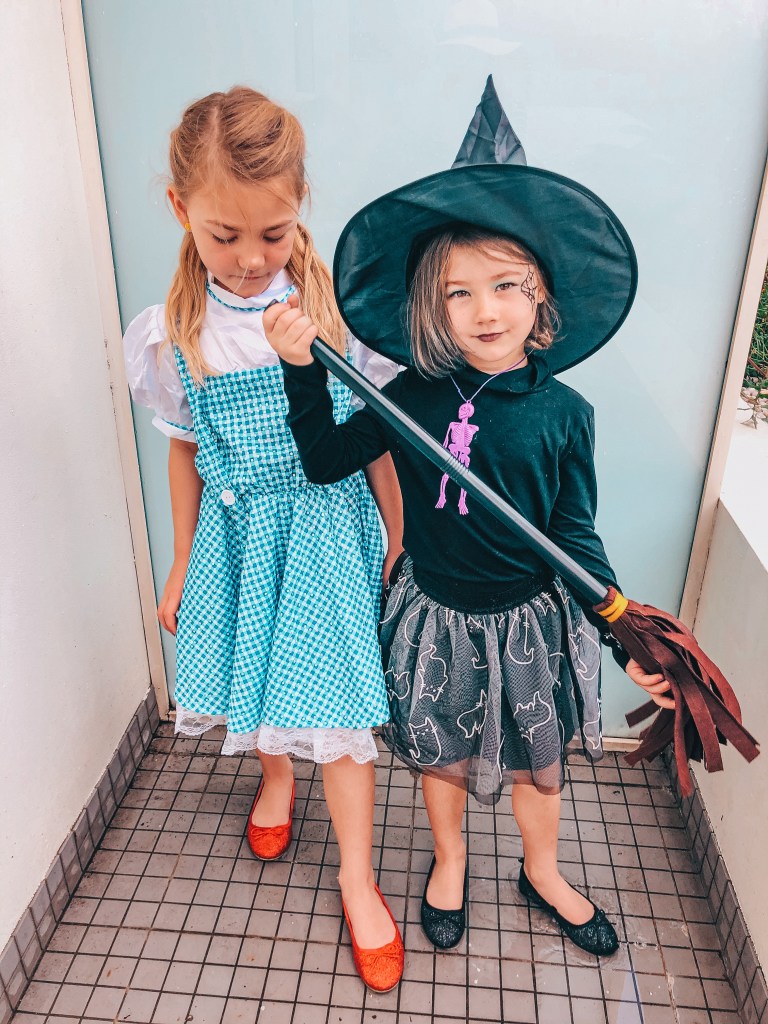
I think its safe to say other countries do not celebrate holidays the same as Americans, Australia being no exception. We go BIG on {8-10} holidays a year in the states it seems, which in a way is a bit excess– not to mention, expensive (three kids over here 🙋🏼♀️.) There is pressure to buy treats and treasures for each one, even the smaller non-federal holidays. It can be exhausting at times. However, in S.A finding any “small” decorations, festive delights or toys for Valentines Day, St. Pattys, Easter and even Christmas proved to be very difficult. We had to improvise a bit and just learn to let go of our American standards and know that the kids were going to be just as happy either way, it didn’t have to be lavish or perfectly curated.
Thanksgiving was spent on vacation. November is one of the best times of year in South Australia, temps usually around 80 degrees Fahrenheit. We surely were not going to waste it sitting at home slaving over an oven. (Also, turkey was nowhere to be found, nor would one fit?) Instead we went to the Eyre peninsula and celebrated by beach hopping, wine sippin’ and road tripping along the western coast. Dinner was spent at a brewery where we shared wood fired pizza and a cold beer. And you know what, I ain’t mad about it.
Christmas “Chrissy.’ We are no strangers to a Christmas in the sand living in Florida for several years. However this was an unparalleled experience celebrating in the summer. The kids were out of school, we had the given Boeing ‘Christmas break’ to enjoy a summer hiatus, rather. We spent the days paddle boarding, swimming, crabbing and just soaking in the lazy summer time peacefulness. Christmas dinner was an untraditional, but much preferred seafood feast of fresh caught blue swimmer crab (compliments of Teagan), salmon, mashed potatoes and grilled green beans, al fresco of course.
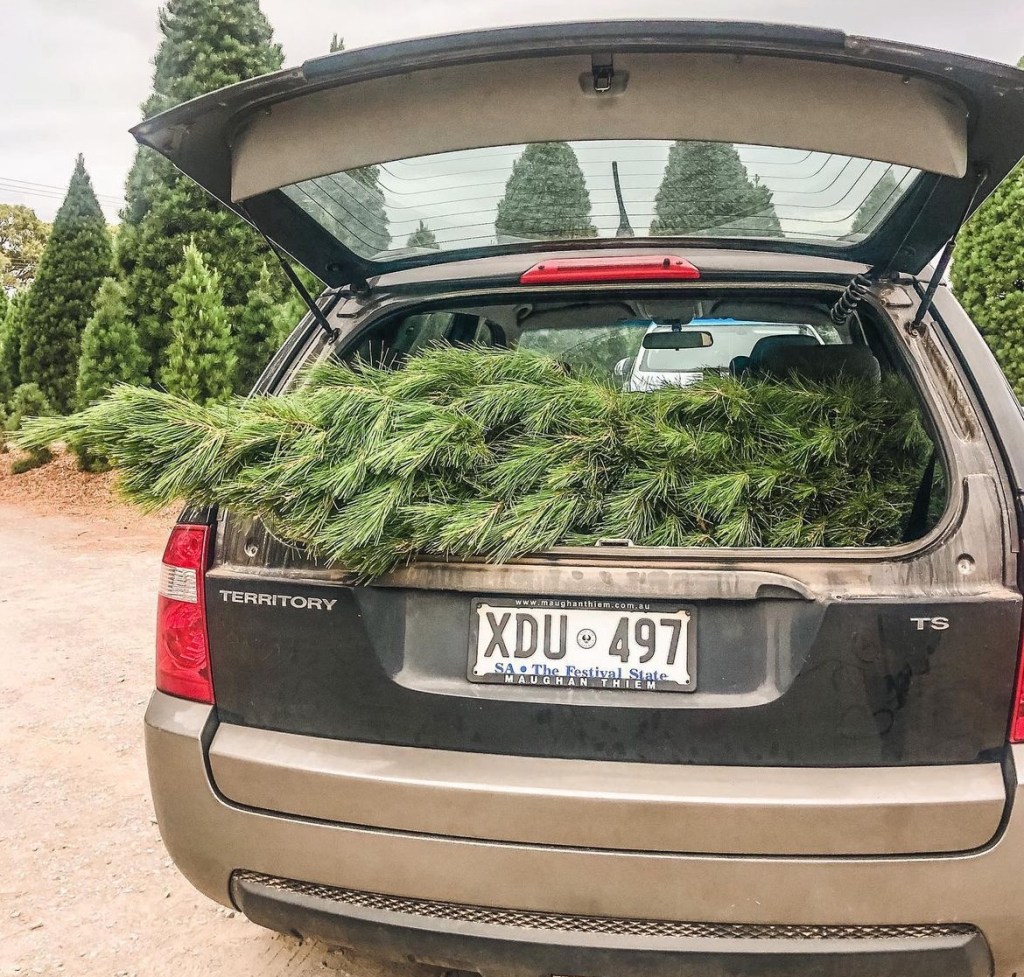
I do have to laugh a bit at the scramble of finding gifts (ahem, without Amazon) figuring out how and where to get a tree (and stand), decorations, Santa? “Father Christmas.” A bit of assimilation for us, improvising was our best skillset.
Even with all the “learning curves” along the way, what an enlightening experience for the entire family. Mastering the art of going with the flow and embracing all the differences traveling has to offer. We learned to surrender our expectations while we took on this whole new life of living as an expat. Often times it is easiest to go through life being comfortable. Comfortable with your surroundings, alike people, sheltered in your snug little bubble of familiarity. But where is the adventure in that? How do you learn that shnitty is actually okay, and that driving on the left hand side of the road is surprisingly doable. How do you learn amazing phrases like “mate, lets throw a couple tinnies in the esky and head to the jetty this arvo, ey?” if you aren’t submersed with international friends to teach you such brilliance. Get uncomfortable, thats where the learning truly begins. Take that leap of faith, you will never regret it.
Part three is up next, where I will dive in to the fun and unique things to take part in down under. Some unexpectedly similar, some exclusively Aussie. Stay tuned!

 sunshinestateofmine
Great story =
LikeLike
🤍🤍
LikeLike